TICKTALK 6 — Free U.S. shipping · 1-year manufacturer warranty · 30-day return for refund

China Wholesale Smartwatch Component Manufacturers & Exporter

Tier-1 Industrial OEM/ODM Component Sourcing: AMOLED Display Modules, Precision MIM Cases, Sapphire Wafer Covers & Micro Hardware

Featured Precision Smartwatch Components

Explore high-reliability hardware modules engineered for next-generation consumer, sports, and medical wearable devices.
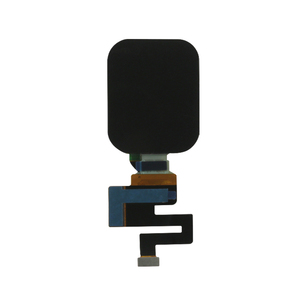
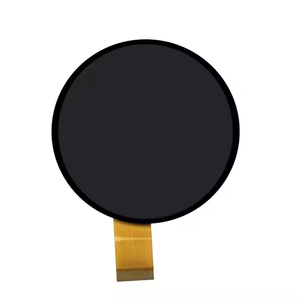
2.04 Inch AMOLED Smartwatch Display Screen Module High Resolution Retina HD CST820 Touch Panel

2.04 Inch AMOLED Display Screen Module High Resolution CST820 Touch Panel

Inquire Now
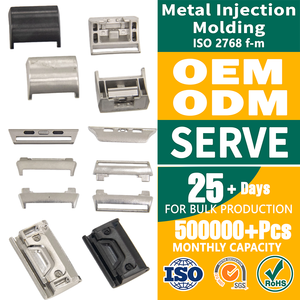
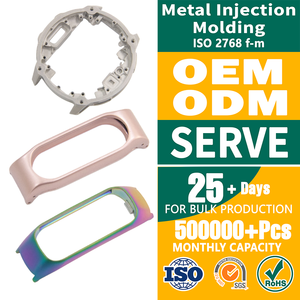
Stainless Steel Smartwatch Case and Bezel Components OEM MIM Injection Parts

Stainless Steel Smartwatch Case & Bezel Components OEM MIM Injection Parts

Inquire Now
1.75 Inch Round AMOLED Display 466*466 Smart Watch Touch Screen Module High Brightness 700 Nit

1.75 Inch Circular AMOLED Display Module 466*466 700 Nit High Luminance

Inquire Now
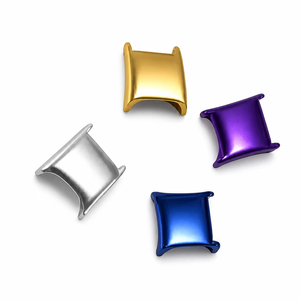
Custom Stainless Steel Watch Connector MIM Parts Precision Metal Components

Custom Stainless Steel Watch Connector MIM Parts & Metal Components

Inquire Now
Custom Precision Micro Machined Metal Connector Parts for Smartwatch

Custom Precision Micro Machined Metal Connector Parts for Wearables

Inquire Now
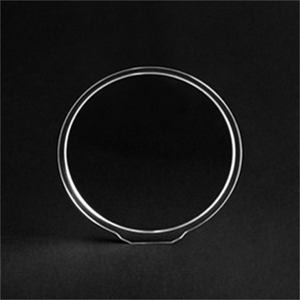
Smartwatch Sapphire Screen Protector Sapphire Wafer Lens Cover

High-Optical Precision Sapphire Crystal Wafer Lens & Lens Protector

Inquire Now
OLED Display Module Energy Saving 4.1 Inch 568x1232 RM69A10 Touch IC

Energy-Saving 4.1" Curved OLED Display Module 568x1232 RM69A10 Touch IC

Inquire Now
Luxury Smartwatch Stainless Steel Connector Adapter Components

Precision Stainless Steel Band Connector Adapter Accessories Component

Inquire Now

Industrial Supply Capability at Scale

Bridging component design, precision metallurgy, display integration, and global logistics for OEM enterprise partners worldwide.

10+ Years
Wearable Component Manufacturing Expertise
IP68 / 10ATM
Hermetic Waterproof Engineering Standards
±0.005mm
Micro MIM & Machining Precision Tolerance
100% Optical
Automated Bonding & Cleanroom Inspection

Strategic B2B Guide: Smartwatch Component Engineering & Sourcing

An authoritative whitepaper breakdown on hardware architecture, MIM metallurgy, display module integration, and procurement trends in the global wearable ecosystem.

1. The Evolution of Smartwatch Component Manufacturing in China

The global wearable device industry has undergone a fundamental shift from basic fitness trackers to sophisticated multi-sensor micro-computers worn on the human wrist. As consumer standards elevate around visual clarity, biometric accuracy, structural durability, and water immersion resistance, the burden of innovation rests directly upon smartwatch component manufacturers.

China has established itself as the unquestioned epicentre of component-level manufacturing and export. Combining full-stack supply chain integration—from raw synthetic sapphire growth and powder metal injection molding (MIM) to cleanroom display optical bonding and embedded eSIM antenna tuning—Chinese component suppliers provide unprecedented scale and precision. Procurement teams from global Tier-1 hardware brands, specialized kids safety smartwatch developers, and rugged military-grade device makers rely on China’s manufacturing hubs to convert ambitious industrial designs into high-yield, mass-producible components.

Advanced MIM Powder Metallurgy

Complex 316L and 17-4PH stainless steel smartwatch housings, bezels, and lugs produced with Metal Injection Molding. High density, superior tensile strength, and complex internal geometry without costly multi-axis CNC milling.

Full-Lamination AMOLED & OLED Modules

Ultra-high contrast circular and rectangular flexible display modules featuring CST820, RM69A10, and advanced touch ICs. Delivering high brightness up to 700+ nits for outdoor readability with Always-on Display (AOD) efficiency.

Sapphire & High-Grade Optical Glass Covers

Synthetic sapphire crystal wafer processing rated at Mohs 9 hardness. Diamond-cut edges, anti-fingerprint hydrophobic AF coatings, and anti-reflective AR treatment engineered to withstand severe scratch environments.

2. Key Hardware Component Clusters in Modern Smartwatch OEM/ODM Sourcing

When engineering a modern smartwatch platform, procurement officers and hardware product managers must evaluate five primary physical component clusters. System integrity relies entirely on the precise mechanical tolerances and electrical synergy among these assemblies:

  • Display & Touch Screen Subassemblies: High-density Retina AMOLED screens (e.g., 2.04-inch 368*448 resolution or 1.75-inch 466*466 circular displays) integrated with capacitive touch panels (CTP) utilizing COF (Chip-on-Film) bonding. Energy saving driver ICs such as RM69A10 minimize milliamp-hour draw during standby modes.
  • Structural Housings & Metal Injection Parts: The mechanical skeleton of the watch. MIM stainless steel, lightweight titanium alloys, and aluminum housings integrated with micro-machined stem buttons, pushers, and ceramic bezels.
  • Waterproofing & Hermetic Seals: Precision custom silicone O-rings, liquid silicone rubber (LSR) overmolding, and waterproof acoustic membranes engineered to meet IP68, 5ATM, and 10ATM standards under ISO 22810 testing protocols.
  • Micro-Connector Systems & Adapters: High-durability stainless steel band quick-release adapters, spring bars, and pogo-pin magnetic charging interface connectors engineered to sustain thousands of mechanical connection cycles.
  • Optical Sensor Windows & Lens Covers: Precision ground sapphire lenses and high-transmittance mineral glass with specialized optical filtering for PPG heart rate sensors, SpO2 pulse oximetry, and multi-wavelength biometrics.

Technical Specification Standards: MIM Stainless Steel vs. Standard CNC Machining

In B2B smartwatch hardware sourcing, metal injection molding (MIM) has emerged as the premier technology for mass-producing complex structural cases and band connectors. MIM achieves relative material densities above 97%, matching forged stainless steel while reducing unit production costs by up to 40% on intricate internal latch structures compared to traditional multi-axis CNC micro-machining.

3. Future Development & Material Trends in Wearable Components

As the wearable electronics industry matures, next-generation smartwatches are expanding beyond basic fitness metrics into medical-grade diagnostic platforms, outdoor adventure gear, and standalone cellular devices (such as 4G LTE kids safety phone watches). Sourcing strategies must adapt to four pivotal technology trends driving component innovation over the next decade:

A. Micro-LED & Flexible High-Nit Display Integration

While AMOLED technology currently dominates high-end smartwatches due to its deep black levels and pixel-level illumination control, component manufacturers are actively transitioning toward Micro-LED display architectures. Micro-LED promises 3x brightness levels exceeds 1,500 nits while lowering power consumption by 30%. Concurrently, flexible curved OLED screens (such as 4.1-inch elongated display modules) enable futuristic, ergonomic wrist-wrapping device profiles.

B. Titanium Alloys & Advanced Powder Metallurgy

Consumer preference is pivoting rapidly toward ultra-rugged, lightweight smartwatches capable of deep-water diving and endurance mountain sports. Component manufacturers in China are scaling Grade 5 Titanium MIM processing and micro-arc oxidation (MAO) surface treatments. This yields watch chassis that are 45% lighter than stainless steel while exhibiting superior corrosion resistance against saltwater exposure.

C. Advanced Biocompatible Coatings & Sapphire Wafer Optics

Direct skin contact demands strict compliance with nickel-release regulations (REACH) and ISO 10993 biocompatibility standards. Modern component exporters utilize Physical Vapor Deposition (PVD) DLC (Diamond-Like Carbon) coatings and hypoallergenic titanium nitride (TiN) plating on back cases, pushers, and strap connectors. Furthermore, sapphire glass lenses with 99%+ optical clarity ensure laser-based biometric sensors record accurate vascular data without optical noise distortion.

D. Embedded Antenna Housings & Modular eSIM Hardware

To support standalone cellular calling, GPS location tracking (SmartPin™ technologies), and emergency SOS functionality without adding bulky physical frames, smartwatch housings now integrate LDS (Laser Direct Structuring) antennas directly onto the inner walls of the plastic or ceramic frame. This allows component engineering teams to deliver IP68 water-resistant cases with zero external antenna cutouts.

4. Smartwatch OEM Component Technical Specifications Matrix

The following technical reference matrix summarizes standard operational parameters for premium smartwatch components supplied by China wholesale export manufacturers:

Component Category Material / Driver Specification Key Technical Parameters Compliance / Industrial Rating
AMOLED Display Module 2.04" / 1.75" Retina Touch Panel (CST820 IC) 466*466 Resolution, 700 Nits, Always-On Display RoHS, CE, Low Blue Light Certified
Curved OLED Module 4.1" Flexible Glass (RM69A10 Touch IC) 568x1232 Resolution, Energy-Saving Architecture REACH Compliant, Ultra-Thin COF
Structural Watch Case 316L / 17-4PH MIM Stainless Steel Tolerance ±0.005mm, High Density >97% ISO 22810 Water Resistance Standard
Display Cover Lens Synthetic Sapphire Wafer Lens Cover Mohs Hardness 9, Diamond Edge Bevel, AR/AF Coated Drop Test MIL-STD-810G Grade
Custom Metal Connectors Micro-Machined Stainless Steel / MIM Parts High Spring Bar Tension, Multi-Color PVD Plating 5,000+ Mechanical Cycle Tested

5. Global B2B Sourcing Trends: Optimizing Supply Chain Resilience

Procurement directors managing global consumer electronics brands face complex challenges: accelerating time-to-market cycles, fluctuating shipping logistics, and stringent quality assurance standards. Partnering with a consolidated China smartwatch component manufacturer offers distinct strategic procurement advantages:

  • Modular Turnkey Assemblies: Instead of sourcing display screens, touch ICs, cover glass, and plastic frames from separate suppliers, global brands are adopting pre-bonded "Display Subassemblies." This eliminates optical bonding yield risks at the final device assembly factory.
  • Rapid Tooling and Prototyping: Utilizing 3D metal printing (DMLS) alongside rapid MIM tooling allows component suppliers to deliver functional stainless steel case prototypes within 14 business days, reducing NPI (New Product Introduction) lead times drastically.
  • Rigorous Cleanroom Optical Bond Testing: Leading manufacturers operate Class 10,000 and Class 1,000 dust-free cleanrooms equipped with automated optical inspection (AOI) machines to eliminate particle entrapment between the touchscreen and display panel.

Enterprise Manufacturing Advantages

Why Tier-1 Smartwatch Brands & Global Distributors Partner with Our China Production Hub.

Full-Stack OEM/ODM Customization

From initial CAD rendering and finite element analysis (FEA) to customized MIM tooling and specialized driver IC firmware flashing, we deliver tailormade hardware matching your exact technical datasheets.

Uncompromised Quality Control

Every production batch undergoes 100% automated optical inspection (AOI), 5ATM hydrostatic water pressure chamber testing, thermal shock testing (-40°C to +85°C), and salt spray corrosion validation.

Scalable Mass Production Capacity

Equipped with high-volume continuous sintering furnaces for MIM metal parts, high-speed SMT lines for flex circuits, and automated display lamination equipment capable of delivering over 500,000 component units monthly.

Frequently Asked B2B Procurement Questions

Technical and commercial answers for hardware engineers, sourcing managers, and wholesale importers.

What are the typical Minimum Order Quantities (MOQ) for OEM smartwatch component manufacturing?

For standardized components such as existing AMOLED display modules (e.g., 2.04" CST820 or 1.75" 466*466 circular screens) and universal stainless steel band connectors, our standard MOQ starts at 500 to 1,000 units. For fully custom OEM projects requiring new MIM mold design (custom metal watch housings, pushers, or specialized sapphire glass cutouts), the initial sample prototyping batch begins at 100 units, followed by a mass-production MOQ of 3,000 to 5,000 units to amortize tooling investments efficiently.

How do you ensure IP68 and 5ATM water resistance compliance on custom metal injection (MIM) cases?

Waterproof performance relies on three core design and manufacturing parameters: precision metal density, micro-smooth sealing grooves, and elastomeric seals. Our MIM process achieves over 97.5% theoretical metal density, preventing pressurized water molecules from permeating micro-porosities in the metal structure. Furthermore, button stems and glass contact faces are post-machined with micro-CNC diamond cutters to achieve a surface roughness of Ra < 0.4µm, guaranteeing absolute hermetic sealing under automated air-pressure and hydrostatic immersion testing.

Can your AMOLED display screen modules be customized for high outdoor readability and low power consumption?

Yes. We specialize in high-luminance AMOLED and flexible OLED module customization. Display panels can be integrated with specialized polarizers and high-transmittance optical bonding to deliver up to 700+ nits peak brightness for direct sunlight visibility. To optimize battery life in slim wearable form factors, driver ICs (such as RM69A10 and CST820) are configured with hardware-level Always-on Display (AOD) low-power sleep states, reducing active display power drain down to microampere thresholds during idle modes.

What is the lead time for custom prototype samples and mass production orders?

Standard catalog components and display module evaluation samples ship within 3 to 5 business days. For custom OEM/ODM hardware projects: 1) CAD & Technical Drawing Approval: 2-3 days. 2) Rapid Prototyping / CNC Samples: 10-14 days. 3) Precision MIM Steel Tooling & Sample Inspection: 25-30 days. 4) Mass Production Manufacturing: 20-25 days following sample sign-off. Expedited fast-track protocols are available for enterprise accounts.

What quality control protocols are applied to optical bonding and sapphire screen covers?

All optical assembly occurs within certified Class 10,000 cleanroom environments. Sapphire wafer covers undergo 100% automated optical inspection (AOI) to check for micro-scratches, edge chipping, and AR/AF coating uniform thickness. Displays undergo optical lamination using liquid optically clear adhesive (LOCA) or OCA film, followed by high-pressure autoclave de-bubbling processes to ensure zero bubble formation, zero parallax error, and maximum structural impact resistance under drop testing.

Accelerate Your Wearable Hardware Engineering Today

Connect directly with our engineering team to request technical datasheets, CAD 3D step files, component evaluation samples, or customized OEM production quotes.

Inquire Now