Explore our flagship series of cellular smartwatches, micro GPS locators, and bio-wearable asset trackers engineered for enterprise brand deployment and international carrier compliance.
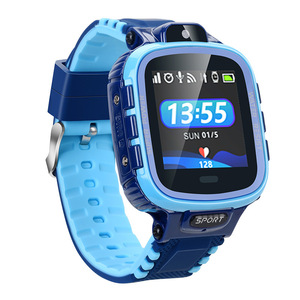
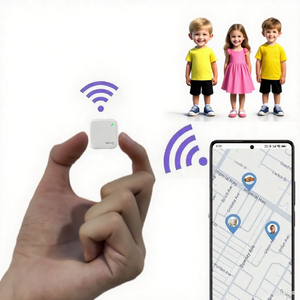
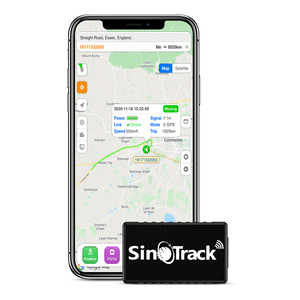
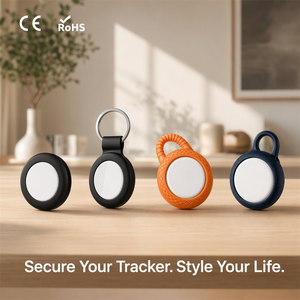
The global wearable technology ecosystem has undergone a fundamental architectural shift. Sourcing executives and product managers can no longer rely on traditional contract electronics manufacturers (CEMs) that simply assemble off-the-shelf microcontrollers. In 2026, competing in connected health, kids safety, senior care, and personal tracking demands direct factory integration with advanced RF engineering, integrated e-SIM provisioning, proprietary antenna tuning, and strict cloud-to-chip security compliance.
This white paper establishes an engineering-driven benchmark for global sourcing teams looking to partner with top 10 wearable technology manufacturers and factories. By evaluating hardware integration, firmware customization capabilities, yield rates, and international regulatory approvals, brands can effectively mitigate supply chain bottlenecks while accelerating market entry for next-generation smart wearables.
| Evaluation Criterion | Tier-1 Integrated Manufacturers | Standard Electronics Assemblers | Strategic Value Advantage |
|---|---|---|---|
| Cellular IoT Architecture | 4G LTE Cat-1 / Cat-M1 / Built-in eSIM | External Plastic SIM Slot (2G/3G legacy) | Sub-30% Board Space Reduction |
| Waterproofing Standard | IP68 Waterproof (1.5m / 60 min Ultrasonic Seal) | IP65 Splash-proof Gaskets | Zero Moisture Return Rate |
| Positioning Precision | Multi-constellation GNSS + SmartPin™ Wi-Fi + LBS | Basic Single-Channel GPS | Sub-3 Meter Accuracy |
| Security & Data Compliance | GDPR, COPPA, SOC2 Type II, Encrypted OTA | Basic HTTP Unencrypted Transfers | Zero Data Liability Risk |
| Battery Optimization | Custom PMIC with Smart Sleep (~135h Standby) | Standard MCU (~24h Standby) | 3x Extended Operational Cycles |
Key technological inflections driving procurement decisions for international buyers, brands, and enterprise telecommunications distributors.
Physical SIM card trays are officially obsolete in premium wearables. Future-proof factories now standardize on soldered e-SIM chips (MFF2) paired with remote SIM provisioning (RSP). This allows enterprise buyers to launch hardware globally while dynamically pushing profile updates for local carriers without re-tooling physical inventory.
With increasing regulatory scrutiny (such as COPPA in North America and EU AI Act / GDPR in Europe), wearable platforms are migrating intelligence to the edge. Modern OEM factories embed lightweight ML models directly into sensor hubs to process voice recognition and fall detection locally, minimizing cloud payload and latency.
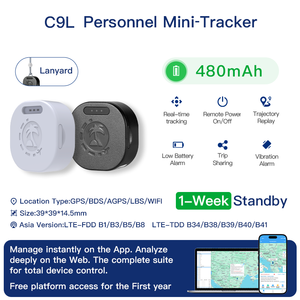
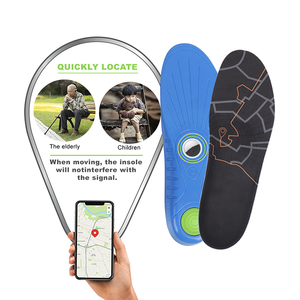
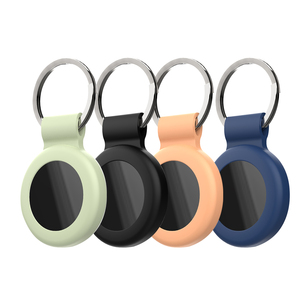
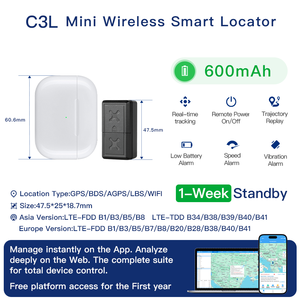
Wearable procurement is expanding rapidly beyond smartwatches. Market demand is surging for hidden personal safety trackers embedded into footwear insoles, high-durability key fobs, asset tags, and ergonomic senior health bands featuring multi-axis accelerometer algorithms and high-density polymer housings.
Standard wrist-worn devices suffer up to 40% RF signal attenuation when in close contact with human skin. Leading wearable factories implement 3D LDS (Laser Direct Structuring) antennas directly on the interior device frame, ensuring robust 4G LTE cellular link stability and fast GNSS satellite lock even in dense urban canyons.
Traditional glue dispenser lines frequently experience micro-gaps under thermal expansion, causing field return spikes. Top-tier factories utilize automated ultrasonic welding and double-injection TPU molding, guaranteeing certified IP68 water submersion protection up to 1.5 meters for 60 minutes.
Over a decade of dedicated engineering, human-centered hardware design, and end-to-end supply chain mastery in smart communication wearables.
With over 300,000 family and enterprise wearables deployed worldwide, our product architecture has undergone rigorous real-world field testing across major wireless networks in 160+ countries.
We provide ready-to-brand iOS and Android management applications complete with parental permissions, remote contact whitelisting, SOS routing, and encrypted T-Cloud™ cloud backups.
Every production batch undergoes 100% automated optical inspection (AOI), RF chamber calibration, thermal shock stress testing, and drop-impact simulation before factory sign-off.
Clear answers regarding OEM/ODM customization, certification timelines, MOQ requirements, and white-label app infrastructure.
Connect directly with our senior hardware engineering team and OEM procurement managers to discuss specifications, custom tooling, sample requests, and wholesale pricing structures.